

The New Digital Nonalignment: Why Africa Must Reimagine Its Place in Global Tech Power
The New Digital Nonalignment: Why Africa Must Reimagine Its Place in Global Tech Power
Feb 19, 2024
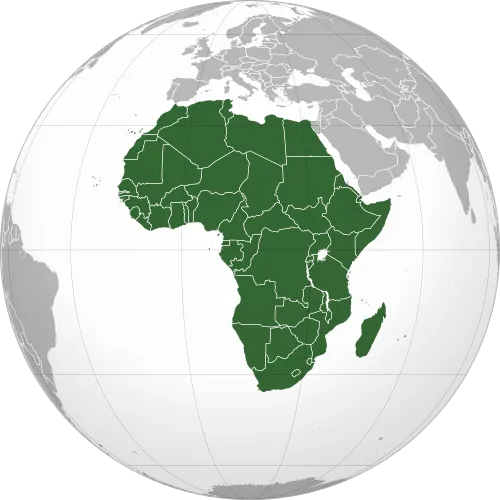
The 20th century had the Non-Aligned Movement — a coalition of nations refusing to pick sides in the Cold War. The 21st century demands a new version of that principle, this time not about missiles, but microchips.
Today, the new global rivalry is digital. The United States and China are vying for dominance over AI, cloud infrastructure, and data flows — and Africa has once again become the silent battleground.
From fiber optics funded by Beijing to social media policies influenced by Washington, African nations are caught between competing models of digital governance. On one side is Silicon Valley’s market-driven individualism; on the other, China’s state-led model of control. Yet, neither truly reflects Africa’s social realities or development aspirations.
The question is: must Africa always be a digital consumer rather than a digital author?
Our dependence on imported platforms and technologies has economic and political consequences. Decisions about what content is amplified, what data is stored, and what innovation is rewarded are often made thousands of miles away. This creates a digital dependency that undermines sovereignty in the long term.
But there’s another path — what I call “Digital Nonalignment” — a deliberate strategy for countries to build independent technological identities that serve their own citizens first.
This isn’t isolationism; it’s intelligent independence. It means investing in local infrastructure, incentivizing homegrown innovation, and setting interoperability standards that prevent any single power from dominating the digital commons. It means that an African startup shouldn’t have to choose between U.S. servers or Chinese hardware to compete globally.
Policymakers can begin by collaborating through regional bodies like the African Union and the Smart Africa Alliance to draft shared frameworks on AI ethics, data sharing, and platform governance. This would amplify Africa’s voice in global forums — from the U.N. to the OECD — where tech policy norms are being set.
Ultimately, digital sovereignty is not about building walls; it’s about building weight. The continent that leapfrogged landlines with mobile money can also leapfrog dependency with digital policy innovation.
The next phase of Africa’s growth won’t be defined by who connects us, but by who controls the connection.
Christian “Chris Ogechi” Nwachukwu is a digital strategist, policy advocate, and CEO of Kappa Click, a Lagos-based digital agency helping startups and governments leverage technology for growth. A Fellow of the E-Governance and Internet Governance Foundation for Africa (EGIGFA) and a member of JCI, Chris is passionate about the intersection of technology, governance, and entrepreneurship across Africa.